The Elderflower Window: The Three Weeks That Shape the Still-Room Year
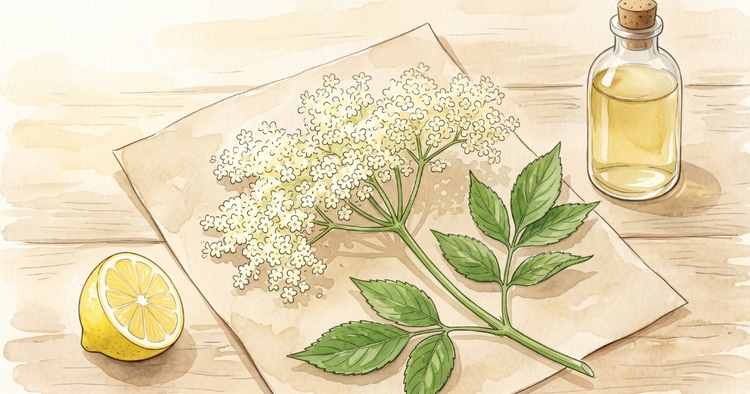
Elderflower carries the still-room year. The umbels hold their scent for about three weeks once they open, the work of cordial, vinegar and wine.
Green Gooseberries: The Cooking Fruit of Late May
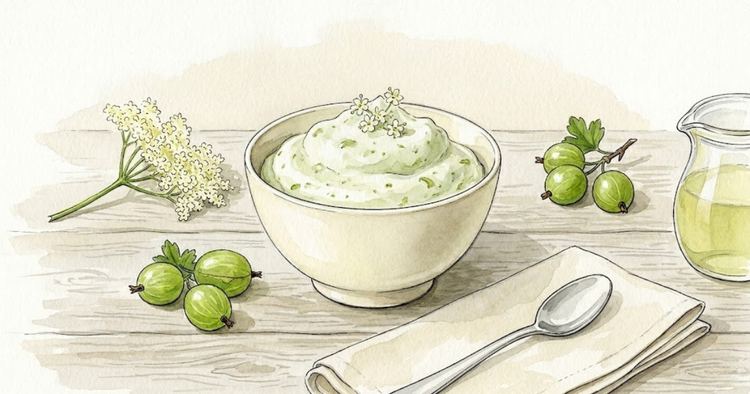
Hard, sour, the size of a marble. The green gooseberry is a cooking fruit, not a fresh one. Eliza Acton 1845 set the standard farmhouse method.
Wall Pennywort: The Plant of the Old Stone Walls
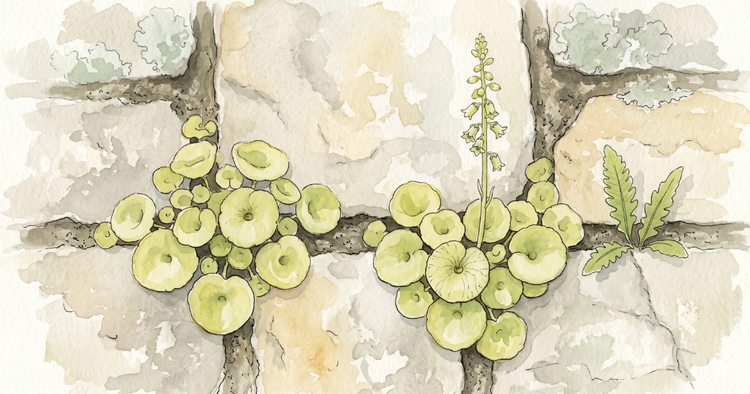
Wall pennywort, the small fleshy plant of old stone walls. Children called it penny-pie; the doctrine of signatures named it navelwort.
Hawthorn Butter: The May Blossom in the Kitchen
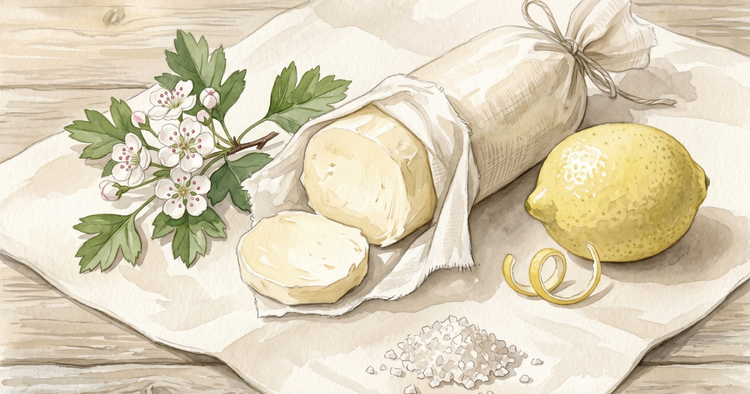
Hawthorn blossom, the country child's hedge snack, folded into butter with lemon zest. Dorothy Hartley called the flower by its old name: May.
Sweet Woodruff: The Woodland Plant That Smells of Hay
Sweet woodruff smells of nothing until dried. The coumarin in the leaves brings hay, vanilla, and almond. Maibowle is built around it.
Lemon Posset: The Cream-Set Pudding and Its Older Hot Form
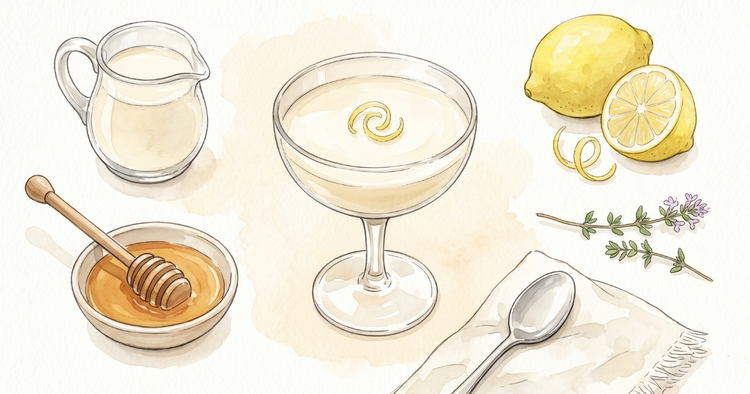
A posset began as hot milk curdled with wine or ale and prescribed for everything. Hannah Glasse's 1740s lemon version is its survivor.
Salt of Sorrel: Wood Sorrel and the Iron-Mould Stain
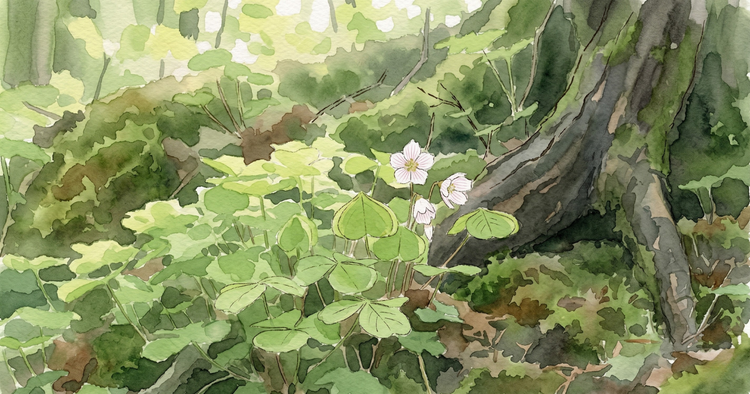
Wood sorrel, sold from the seventeenth century as sal acetosella, lifts iron-mould stains from linen by chemistry that needs sunlight to finish.
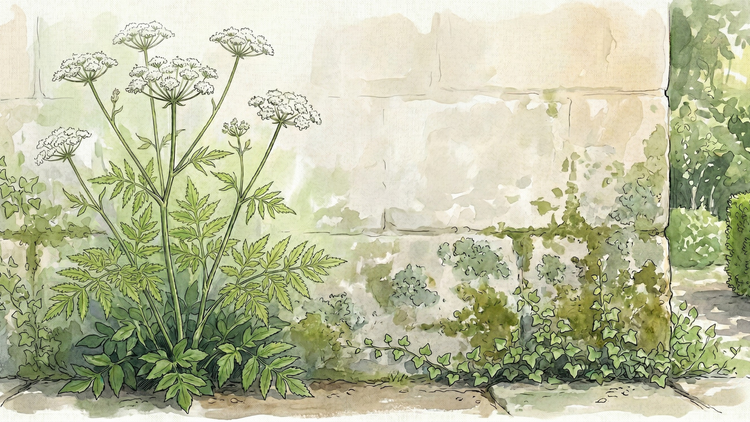
Cow parsley and hemlock – telling them apart on a May verge
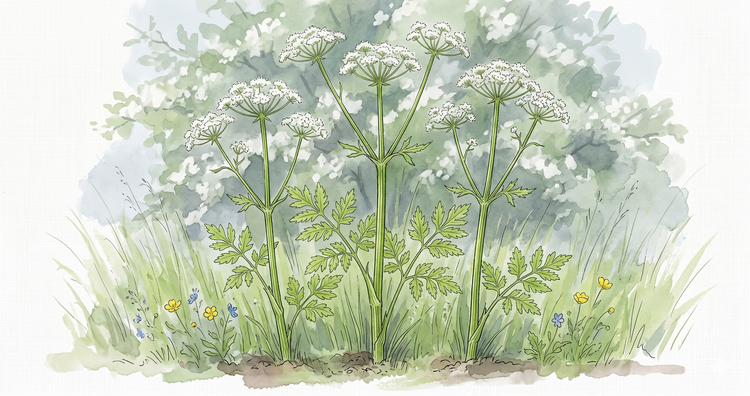
Two waist-high white umbellifers flower on the same May verge. One is harmless cow parsley; the other is hemlock, which will kill you in a small enough dose.
Alexanders – the Lenten pot-herb of the coastal lane
Smyrnium olusatrum, once in every Lenten kitchen and now barely known – the umbellifer that tastes of celery, parsley, and asparagus.
Sweet cicely – the cottage garden’s sugar saver
Myrrhis odorata, fern-leaved and aniseed-scented – the cottage garden's sugar saver before sugar was cheap, and still useful in the still-room.