Carrot Fly: Why a Late-June Sowing Escapes It
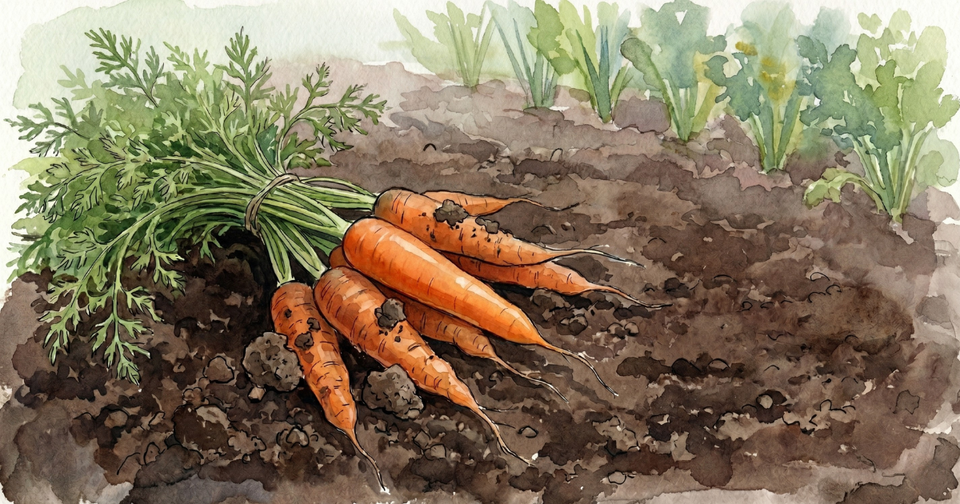
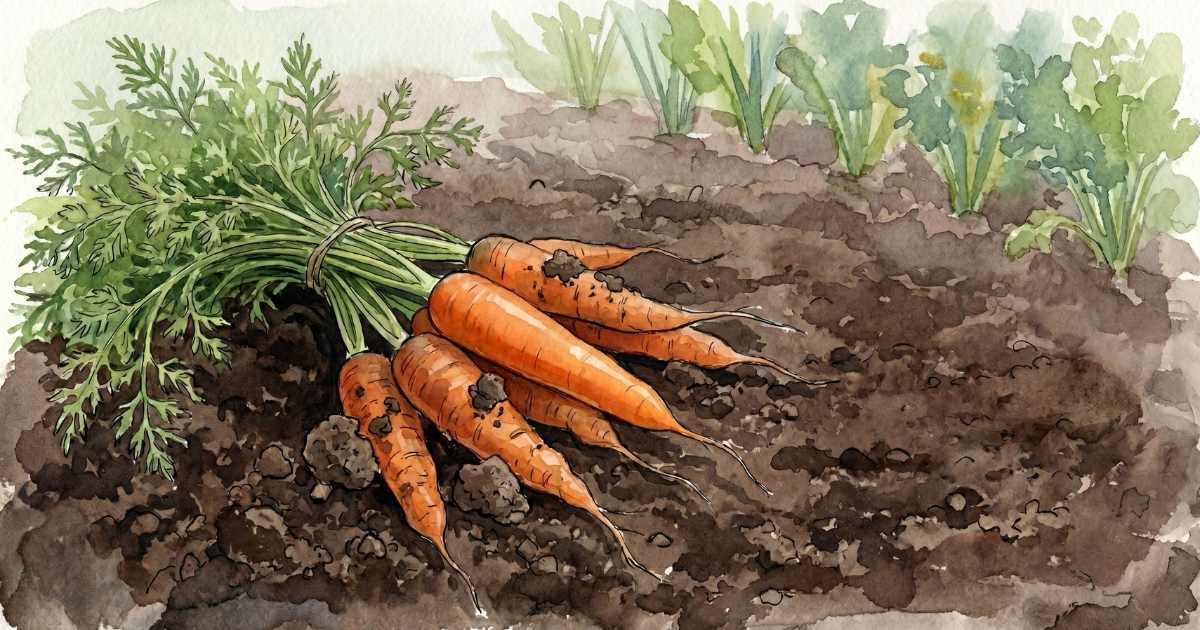
Carrot fly, Psila rosae, is the pest that ruins a row of carrots from below. The adult is a small, black-bodied fly; the damage is done by its larvae, slender creamy-yellow maggots that tunnel into the roots and leave them ringed with rusty brown scars and prone to rot. It is not only carrots that suffer: parsnip, parsley, celery and celeriac are all on the menu. The fly is on the wing from May to October, in two or three overlapping generations a year, and the single most useful thing a gardener can do about it costs nothing at all. It is a matter of when you sow.
The fly's two or three generations
The timing trick depends on the fly's calendar. The RHS records two or three generations of carrot fly between late spring and autumn, the insect overwintering in the soil as larvae or pupae. The first eggs are laid from late May into June, and a second batch in August and September; the maggots hatch from those and go down into the roots. A sowing made after mid-May misses the egg-laying of the first generation, and a crop lifted before late August is up and out of the ground before the second arrives. The gap between the two is the opening a gardener aims for.
Why a late-June sowing works
A late-June sowing slips neatly into that gap. By the end of June the first generation has largely finished laying, so seed going in now is not scented out by egg-laying females at its most vulnerable stage. Warm soil brings the seedlings up fast, and quick growth gets the roots established before the second generation is on the wing in August. It is a narrower target than spring sowing, but a real one: late carrots sown now, in the gap between the generations, often come through clean where an April row in the same bed was tunnelled through.
Sowing into dry June ground
June soil is usually dry, and carrots will not germinate in dust. If you are sowing into a dry bed, water the bottom of the drill before the seed goes in, then cover and keep the surface from baking until the seedlings show; a light shading or a careful evening watering does it. Sow thinly, too. Carrot fly is drawn by the smell released when you thin a crowded row, so the fewer seedlings you have to pull, the less you advertise the bed. Mark the row clearly while you are at it: carrot seedlings are thread-thin and easy to hoe out by mistake.
Mesh, rotation and resistant varieties
Sowing date is one defence; there are others worth stacking with it. A complete cover of insect-proof mesh keeps the low-flying females off the bed altogether, and RHS trials found a full covering more effective than a low barrier; the one rule is to rotate, so that flies emerging from overwintered pupae are not sealed in with the new crop. Some cultivars are bred to be less attractive to the fly, among them 'Fly Away', 'Maestro', 'Resistafly' and 'Sytan', though these are less susceptible rather than immune. None of it replaces the timing; all of it helps the timing along.
Knowing the damage when you see it
It helps to recognise the problem, so you know whether the fix is working. Lift a suspect root and the signs are unmistakable: rusty brown tunnels running just under the skin, often with a slender creamy maggot still inside, up to about nine millimetres long. The scarring is where shallow tunnels have collapsed. A badly hit carrot is inedible and rots in store, which is why the pest matters out of all proportion to the size of the fly. Pull and check a few roots before you lift the whole row; if the late-sown carrots come up clean where earlier ones did not, the timing has done its work.
Sources: Carrot fly, RHS; The Standing Sun, The Garden Plot.