The Bishop's Strawberries: Richard III's Coup of 1483
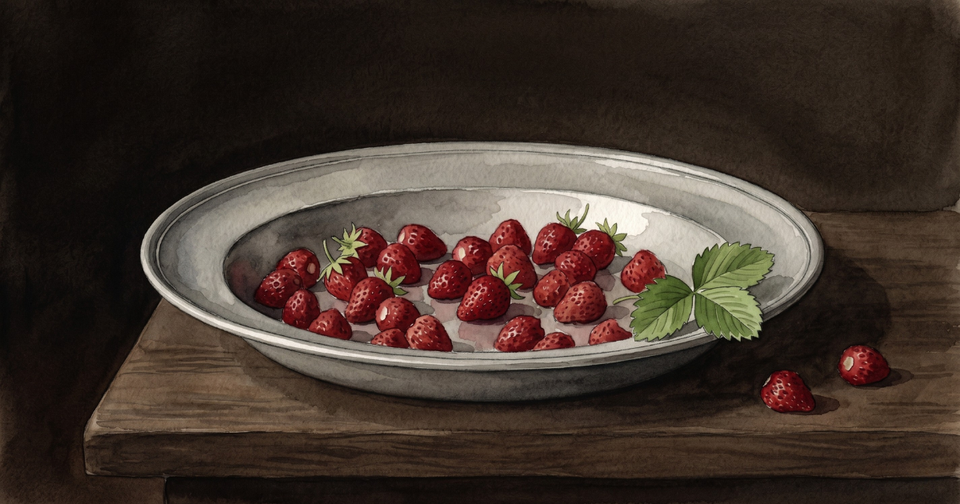
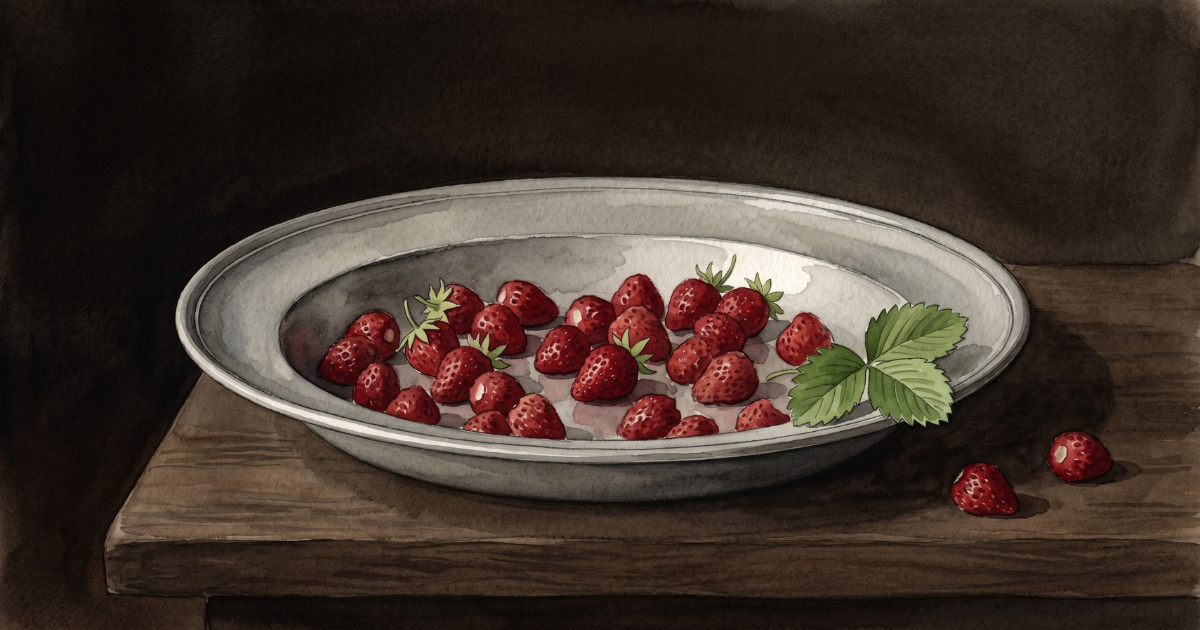
At about nine o'clock on the morning of Friday 13 June 1483, in a council chamber inside the Tower of London, Richard, Duke of Gloucester, asked the Bishop of Ely for a dish of strawberries. The bishop's garden in Holborn was known for them, and a servant was sent for the fruit at once. Within three hours, on the same morning, Lord Hastings had been beheaded on the green outside. Within a fortnight the boy king Edward V had been declared illegitimate, and inside a month his uncle was crowned in his place. The strawberries sit at the start of the three weeks that carried Richard from Lord Protector to crowned king, and the account of them survives because a future saint was in the bishop's household to hear it.
The request
The council had gathered to plan a coronation, and the scene that broke it apart, retold here from the Curious Instance in The Lengthening Light, began with fruit. Edward IV had died in April, his twelve-year-old son had succeeded as Edward V, and the crowning was set for 22 June, with pageants going up at Westminster day and night. Richard, the boy's uncle and Lord Protector, came in late and in good humour, apologised for oversleeping, and turned to John Morton, Bishop of Ely: he had heard the garden in Holborn grew very good strawberries, and would the bishop send for a mess of them. The bishop, pleased, dispatched a servant. The Protector then excused himself from the room. When he returned an hour or so later, the good humour had gone.
The withered arm
Back at the table, Richard asked what punishment a man deserved for plotting his death, then bared his left arm and said sorcery had withered it: the work, he claimed, of the widowed queen and of Mistress Shore, Edward IV's former mistress. Lord Hastings, whose own mistress Shore now was, answered that if they had done such a thing they deserved punishment. Richard seized on the conditional. He had said they had done it, he replied, and he would make it good on Hastings's body as a traitor. Armed men came in at a prearranged shout. Hastings was taken out onto Tower Green and beheaded over a log of timber before noon, Richard having sworn he would not dine until it was done.
Three weeks to a crown
What followed kept the same pace. Within days a sermon at Paul's Cross declared Edward V and his younger brother illegitimate, on the grounds that their father's marriage had been invalid. On 26 June Richard took the throne as Richard III, and on 6 July he was crowned at Westminster, in the same fortnight set aside for his nephew, using much of the provision already prepared for it. Edward V was never crowned. He and his brother were last seen inside the Tower that summer, and were never seen again. In 1674, workmen rebuilding a staircase in the Tower found two children's skeletons; they were reburied in Westminster Abbey as the lost princes, and have not been examined since.
More, Morton and the bones
The fullest version of the strawberry scene comes from Thomas More, who wrote his history around 1513 and had served as a boy in Morton's household, where the story would have been told. More is not a neutral witness. He wrote under the Tudors, who had every reason to blacken Richard, and parts of his account are plainly shaped. The withered arm is one of them. When Richard's skeleton was found beneath a Leicester car park in 2012, on the site of the Greyfriars church, it showed a pronounced sideways curve of the spine and two entirely ordinary arms. The contemporary Italian visitor Dominic Mancini, writing in 1483, records the council and the execution without any of the sorcery.
Ely Place now
Walk up Ely Place today, the gated lane off Holborn Circus, and you are on the ground where the bishop's garden stood. A Strawberry Fayre is still held there each June. Hastings was never tried, because there was no trial: a proclamation setting out his treasons was being read aloud in the City within two hours of the execution, written on parchment in a fair clerk's hand and at such length that, More noted, anyone could see it had been drawn up well before the axe fell. The bishop's chapel survives on the same lane: St Etheldreda's, built in the 1280s, one of only two buildings left in London from the reign of Edward I, and it was in its gardens that the strawberries grew.
Sources: Dominic Mancini, De Occupatione Regni Anglie (1483); Thomas More, The History of King Richard III (c. 1513); Raphael Holinshed's Chronicles (1577); University of Leicester, Greyfriars excavation (2012).