Why People Refused to Bring Elder Indoors
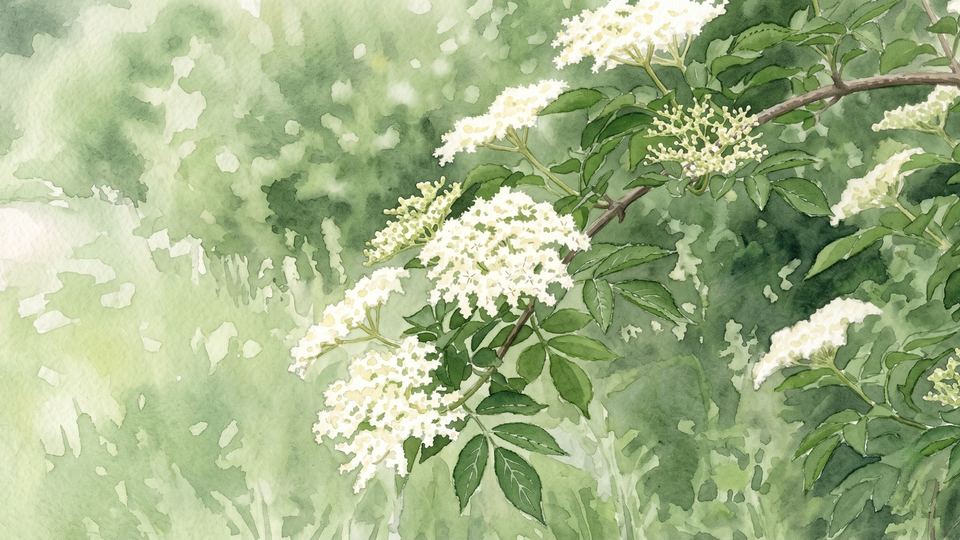
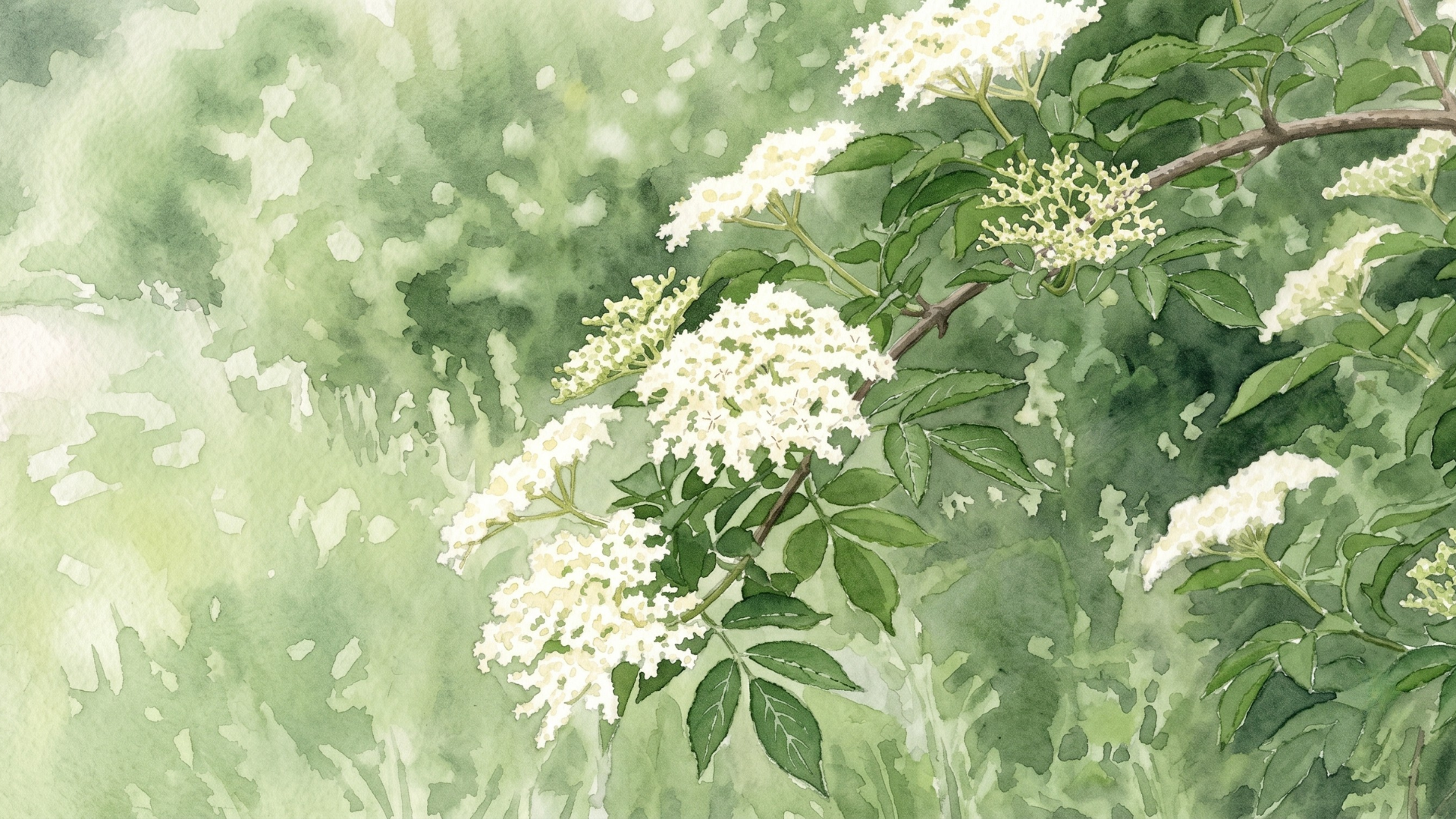
Across large parts of England, people refused to bring elder wood indoors. They would not burn it on the fire. They would not make furniture from it. They would not cut it without asking permission first.
The tree was not simply disliked. It was feared. The prohibition against burning elder was recorded across counties that had little else in common — from Somerset to Yorkshire, from East Anglia to the Welsh borders. The reasons given varied. In some areas the elder was said to be the tree from which the Cross was made. In others it was Judas's hanging tree. In parts of the Midlands, the elder was home to the Elder Mother — a spirit who would follow you into the house if you took her wood.
The practical consequences were specific. Cradles must never be made of elder, or the child would sicken. Elder wood on the fire would bring death into the house. A branch of elder used to drive cattle would cause them to waste. The rules were not suggestions. They were observed with the kind of conviction that does not need explaining because everyone already knows.
What makes the elder taboo unusual is its completeness. Many British trees carry folklore — the rowan protects, the oak endures, the yew marks the boundary between the living and the dead. But the elder is the only common hedgerow tree surrounded by a prohibition this total, this consistent, and this undocumented in its origins.
Nobody recorded where the belief began. Nobody questioned it in print until antiquarians started collecting folk customs in the eighteenth and nineteenth centuries, by which time the taboo was already ancient and already unexplained.
The elder itself — Sambucus nigra — is one of the most useful wild plants in the British hedgerow. The flowers make cordial, champagne, and fritters. The berries make wine, syrup, and a remedy for winter colds. The wood is soft, pithy, and largely useless for construction. None of this explains the fear.
The Cottage Almanac covers the folklore, natural history, and documented strangeness of the British countryside every Thursday. Subscribe free to get the Thursday letter.