Holy Week in the English Countryside
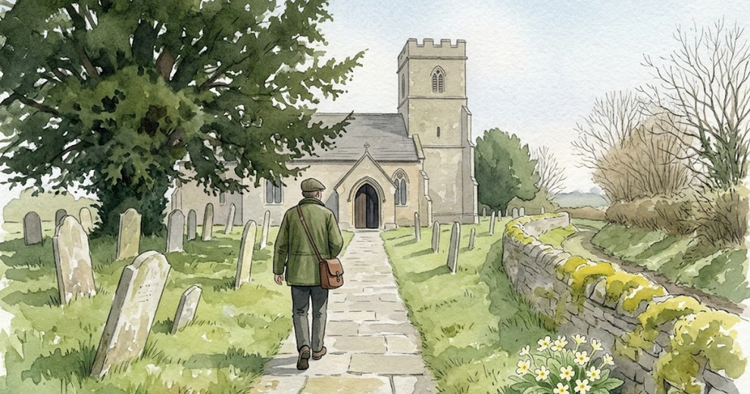
Holy Week in the English countryside was not simply a week of church attendance. It was a week when the normal rules of rural life were suspended, replaced, or inverted — and so on, truncated to roughly 50 words.
The Buried Bell of Bosham Harbour
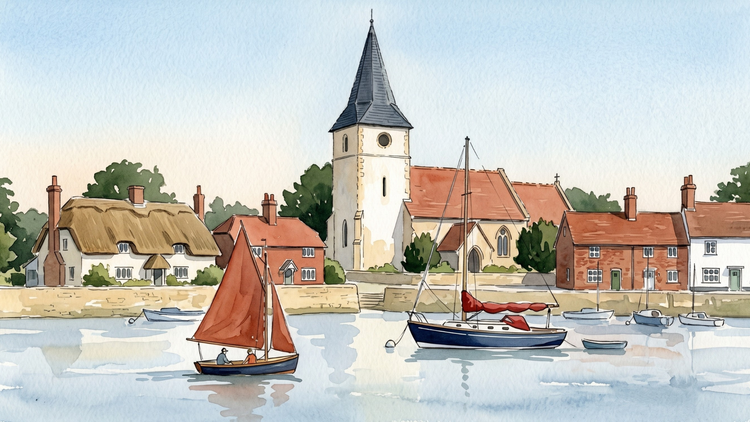
A church bell stolen by raiders and lost in Bosham harbour. The legend says it still rings beneath the water when the tenor bell is struck.
Sweet Violet and Ionone
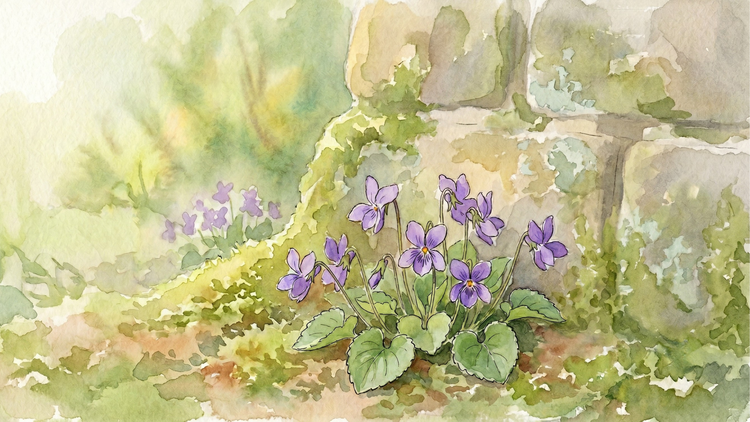
The sweet violet contains a compound that briefly disables your sense of smell. You smell it, it vanishes, then it returns. Not your imagination.
Why People Refused to Bring Elder Indoors
Across England, people refused to bring elder wood indoors or burn it on the fire. The belief was absolute, and nobody recorded why.
Fern Seed Folklore
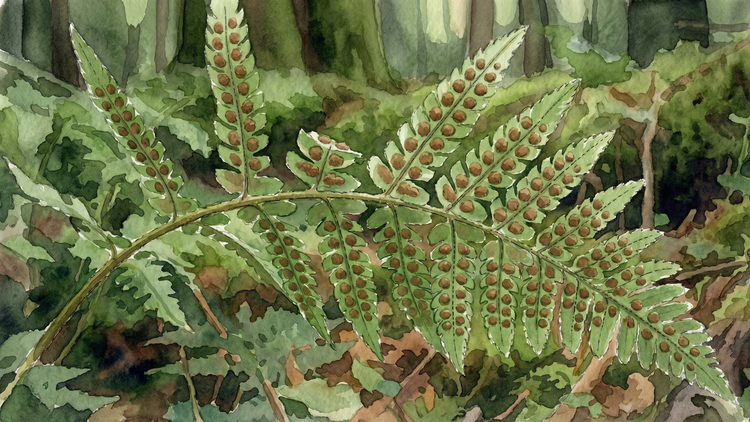
For centuries, people gathered fern seed at midsummer midnight because it granted invisibility. The difficulty is that ferns do not have seeds.
Royston Cave
A chalk chamber covered in medieval carvings, discovered by accident in 1742 beneath Royston market place. Its origins remain unexplained.
Wild Garlic Oxymel Recipe
A hedgerow remedy older than English medicine. Wild garlic steeped in honey and vinegar for four weeks. After Culpeper, 1653.
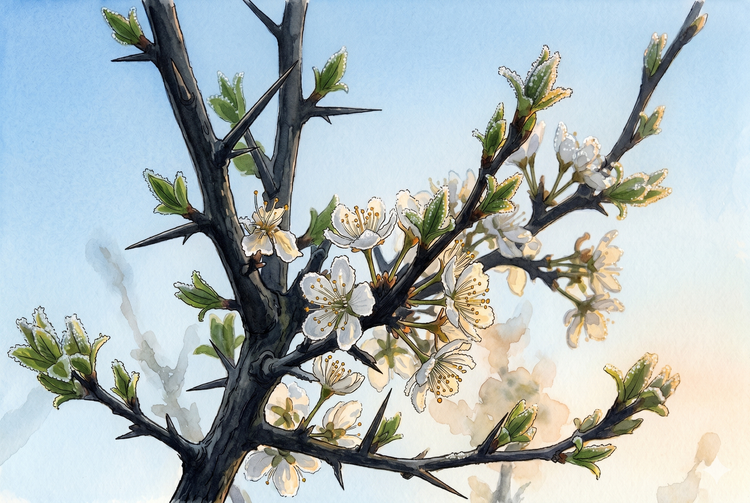
What Is a Blackthorn Winter?
The cold snap that arrives with the blossom. Why it happens, what blackthorn has to do with Easter, and why nobody brings the blossom indoors.
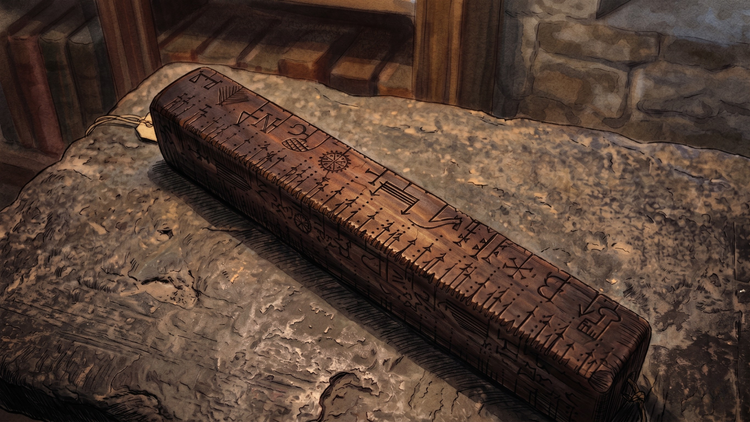
What Is a Clog Almanac?
A carved wooden staff used as a perpetual calendar across northern England. How the symbols worked, and why it never needed updating.
The Easter Cold
This week: a drowned bell still answering the church above it, the chalk heath running two weeks ahead of the calendar, wild garlic at its sharpest, and a walk through the lambing fields. Easter has gone. The cold has not.