What Is a Clog Almanac?
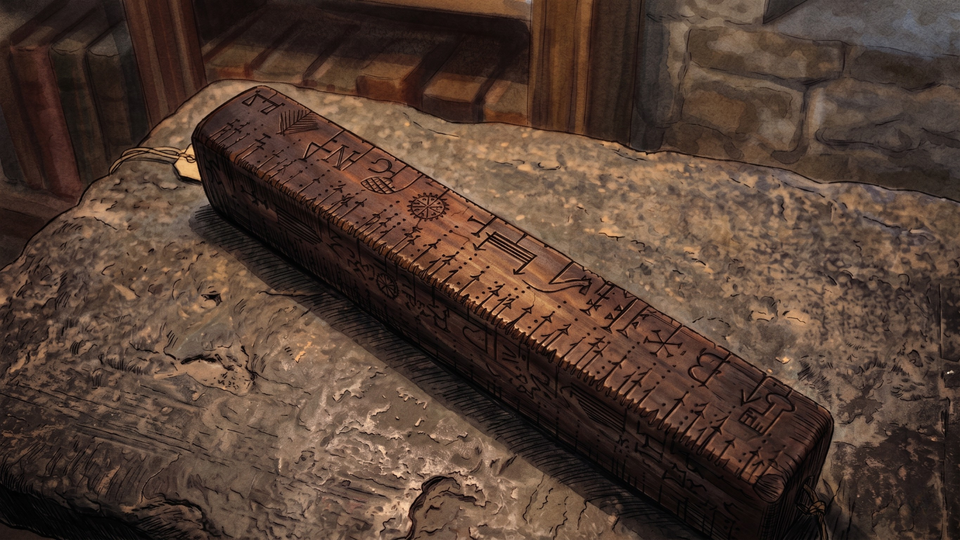
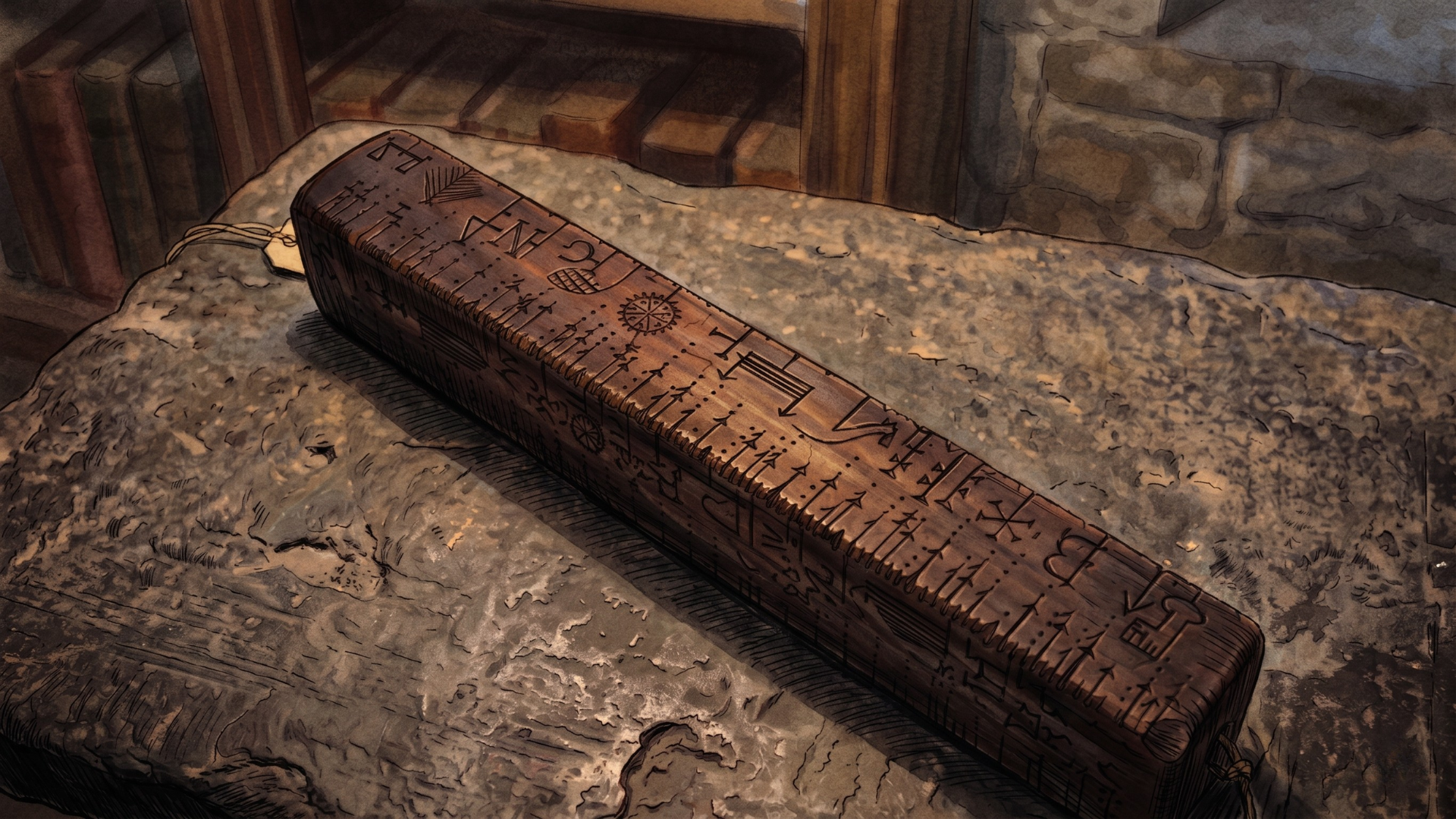
A clog almanac is a four-sided staff of wood, notched with a mark for every day of the year. They were used across northern England from the Middle Ages onward — no paper, no printing, just carved symbols. A rake for haymaking. An axe for St Bartholomew's Day. The Man of Signs, showing which part of the body was governed by which phase of the moon.
The word "clog" here has nothing to do with shoes. It comes from the Scandinavian "klugg," meaning a short log or block. The almanacs were sometimes called "prim-staves" or "runic staffs," though most surviving English examples postdate the use of runes by several centuries.
Each side of the staff covered one quarter of the year. The notches ran in sequence — every day marked, with saint's days and agricultural turning points indicated by a small symbol carved alongside the notch. The symbols were not standardised. Regional variations existed, and the same feast day might be marked by different implements in different counties.
The practical genius of the clog almanac was that it never expired. A printed calendar is useless after twelve months. A clog almanac is perpetual — the saints' days do not move, the agricultural rhythms return each year, and the lunar cycle repeats. The staff needed no updating, no subscription, and no connection to anything beyond the person holding it.
Surviving examples are held in the British Museum, the Ashmolean, and several county museums in the north of England. Most date from the sixteenth and seventeenth centuries, though the tradition is thought to be considerably older.
The Cottage Almanac takes its name from this tradition — a weekly record of what is actually happening outside, not what a calendar says should be happening. Subscribe free to get the Thursday letter.