Why Chalk Downland Warms Up Before Clay
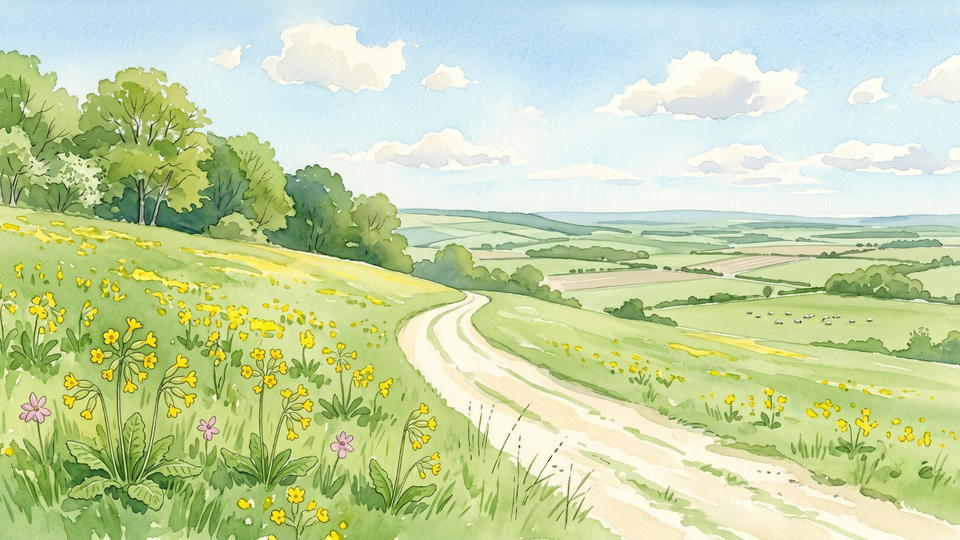
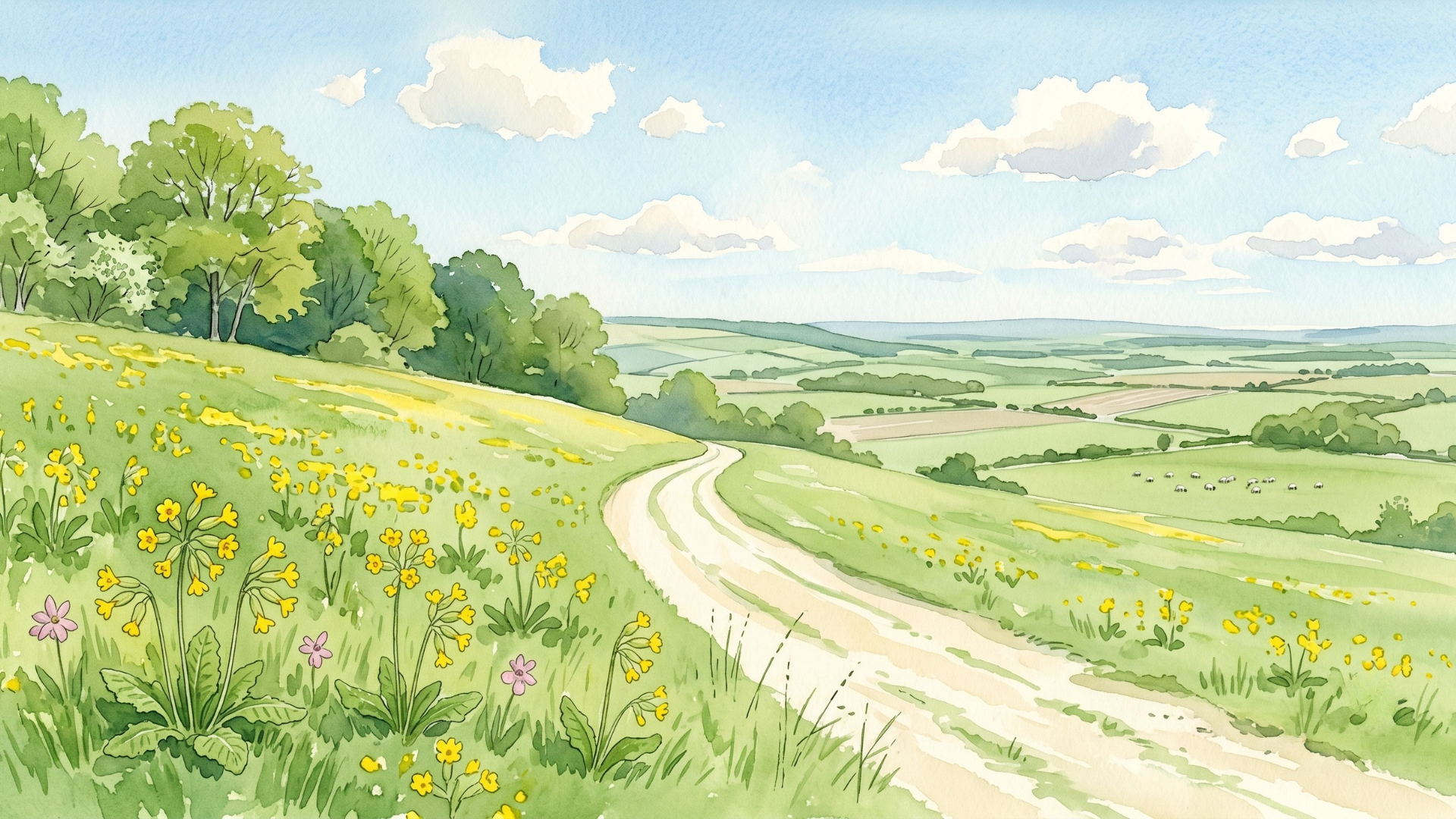
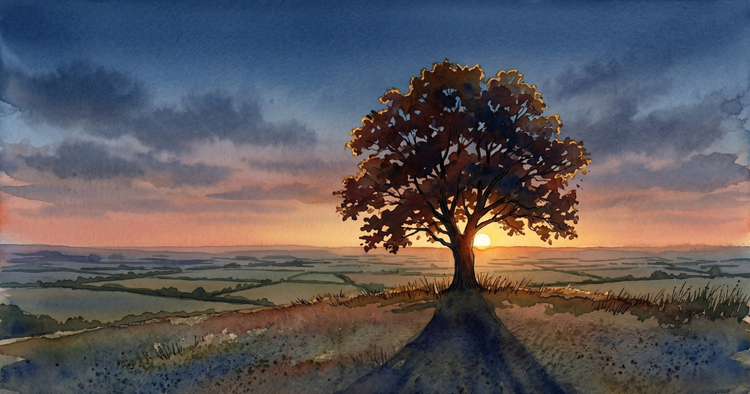
If you stand on chalk downland in early April and look across to the clay fields below, you can see two different seasons happening at once. The chalk is green, dry underfoot, and already producing flowers. The clay is waterlogged, cold, and weeks behind.
The difference is drainage. Chalk is porous — rainwater passes through it rather than sitting on the surface. The soil above the chalk dries quickly after rain, warms faster in spring sunshine, and does not hold the cold the way clay does. A clay field in April can be standing in water after a single night of rain. A chalk slope drains within hours.
The consequence for plants is significant. On chalk, the first wildflowers of spring — cowslips, early purple orchids, kidney vetch — appear weeks before their equivalents in the clay vales. The growing season on chalk starts earlier and the turf responds to light and warmth with a speed that heavier soils cannot match.
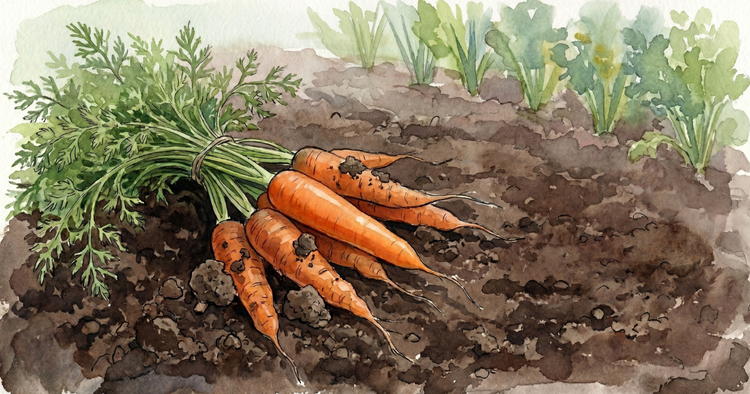
For gardeners and growers, the same principle applies. A vegetable plot on chalky ground can be worked earlier in the year than one on clay. Seeds germinate faster in warm, drained soil. The downside — chalk is thin, alkaline, and dries out in summer — is the price of the early start.
The chalk hills of southern and eastern England — the Chilterns, the North and South Downs, Salisbury Plain, the Berkshire Downs, the Wolds — share this character. They are the landscapes that green first, flower first, and signal the start of the growing year while the clay is still waiting for the ground to stop being cold.
Around Baldock and the Hertfordshire chalk fringe, this is visible every April. The Therfield Heath ridge, the drove roads above Royston, the downland edge at Pegsdon — all of them weeks ahead of the heavy Hertfordshire clay to the north and west.
The Cottage Almanac is written from Baldock, Hertfordshire, and covers the seasonal countryside every Thursday. Subscribe free to get the Thursday letter.