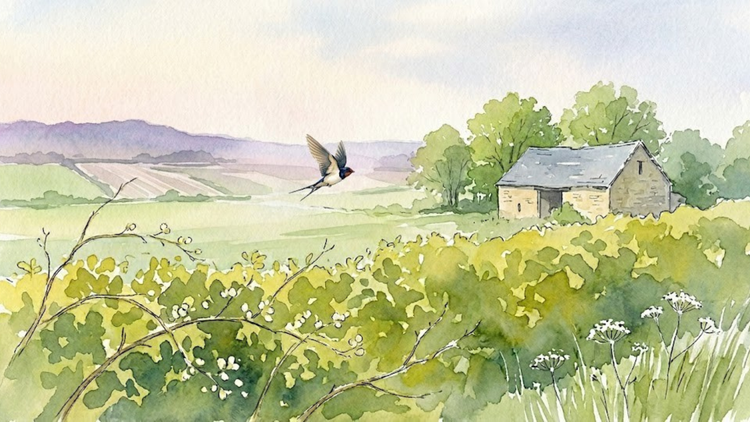
Spring arrivals: a calendar of returning birds
A week-by-week guide to the birds returning to Britain from March to May. When to listen, what to listen for, and what each arrival tells you.
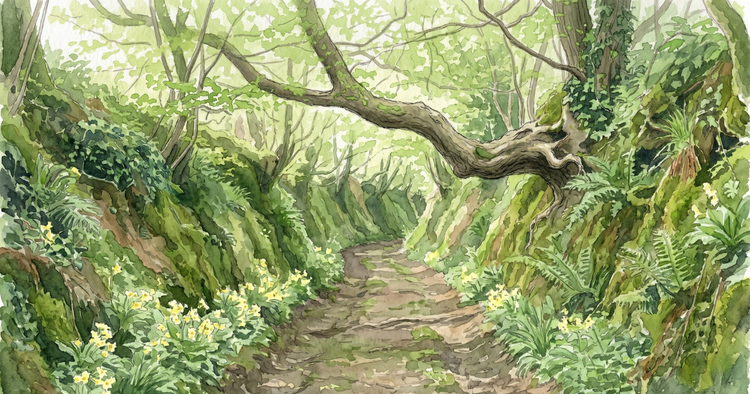
Holloways: how to read a sunken lane
A sunken lane below field level records every foot, hoof, and cartwheel that has gone along it. The depth tells you roughly how old the lane is.
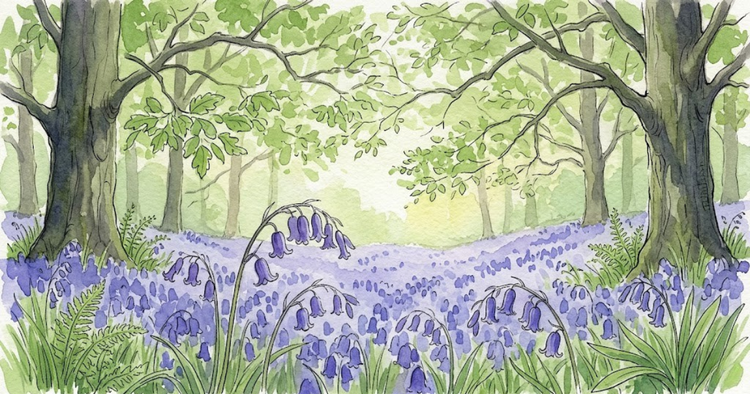
Bluebells: how to tell a native wood
A dense carpet of bluebells in late April almost always means woodland continuously wooded since before 1600. How to read the flower and the wood.
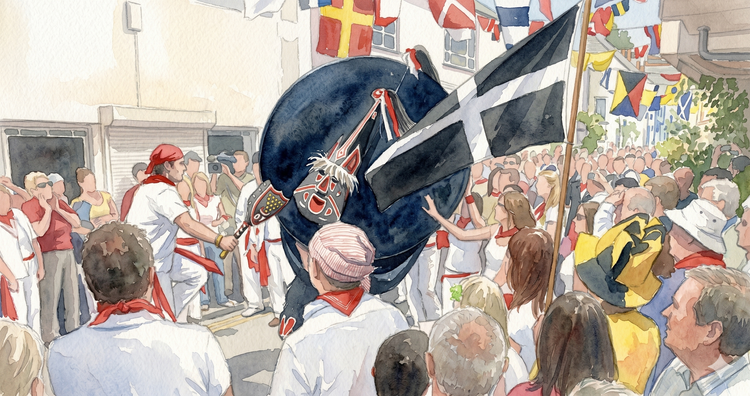
The Padstow ‘Obby ‘Oss
Padstow on the north Cornish coast holds one of England's strangest May Day ceremonies. Two rival 'Osses, the May Song on a loop, white from dawn.
The Screaming Skull of Bettiscombe
A skull has sat on a shelf at Bettiscombe Manor in west Dorset for two hundred years. The story is Victorian. The skull is two thousand years old.
The Witches of Canewdon
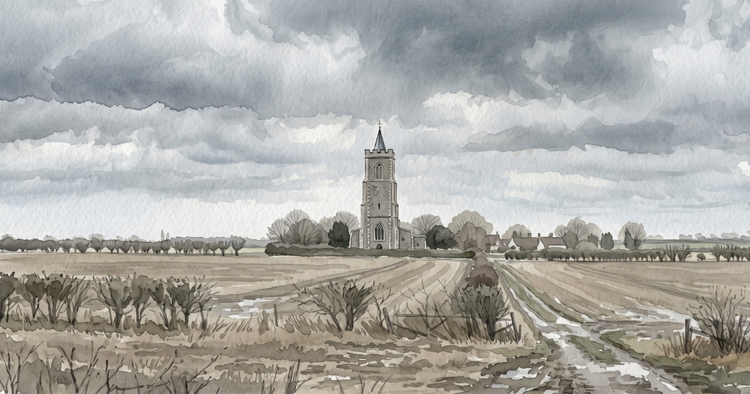
A flat Essex village by the Crouch has carried a folk belief for two centuries: as long as the church tower stands, six witches in Canewdon.
The Cuckoo's Arrival
This week: a Dorset farmhouse with a skull on a shelf, why the cuckoo prefers heathland to woodland, cleavers for the hair, and a bluebell wood that has been a wood since before the Armada. The warmth has settled at last.
The First Swallow
This week: an Essex village that has kept a precise headcount of its witches, the hedge a swallow needs, a salad John Evelyn would recognise, and a sunken lane older than it looks. The first swallow has been reported, which means someone has been watching.
Why Chalk Downland Warms Up Before Clay
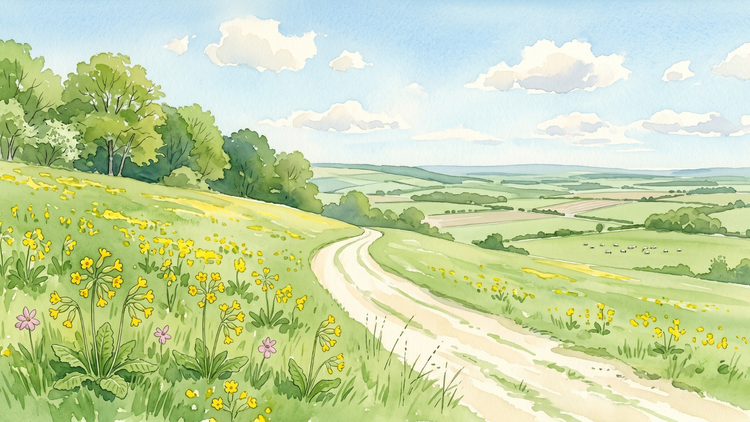
Stand on chalk in early April and look down at the clay, and you see two seasons at once. The chalk drains, dries, and warms weeks before the clay does.
Scurvy Grass
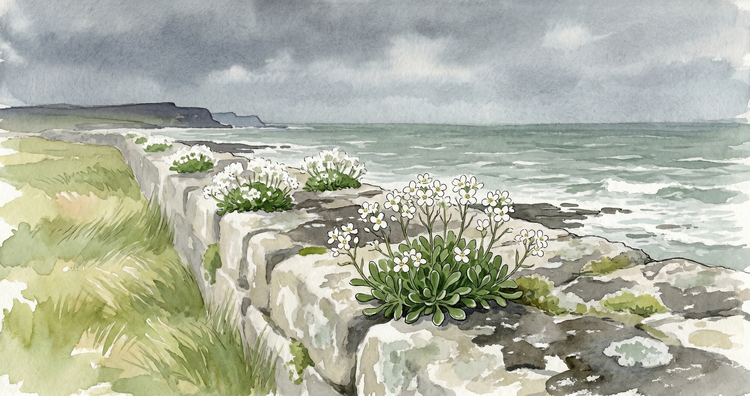
A pungent coastal plant eaten raw by sailors from the sixteenth century onward to prevent scurvy. Where to find it and why it worked.