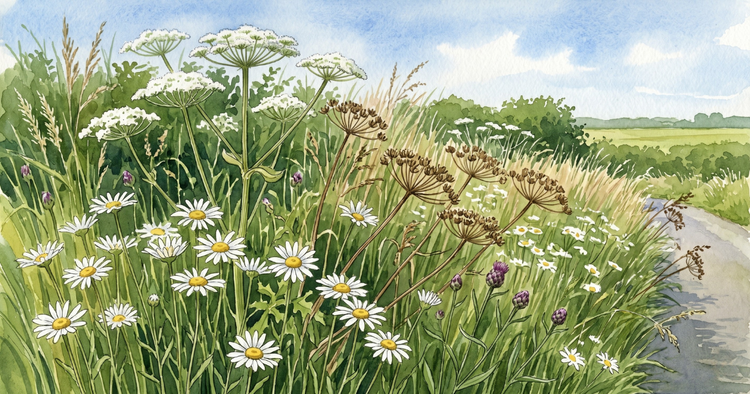
Reading a Road Verge: The Flowers That Date Old Grassland
Some verge flowers colonise any disturbed bank within a season; others are slow perennials of old grassland. Learning which is which lets you read how long the turf beside a road has been there.
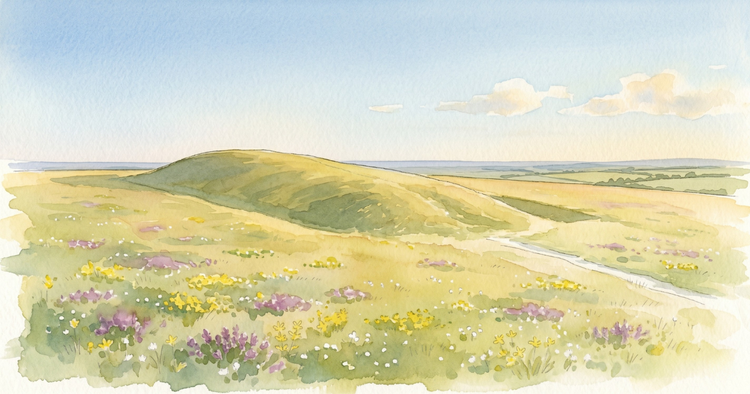
Long Barrows: How to Find One and Read It
A long barrow is a Neolithic mound longer than it is wide, raised about five and a half thousand years ago. How to find your nearest, by its shape, by an OS map, and by the scent of the oldest turf.
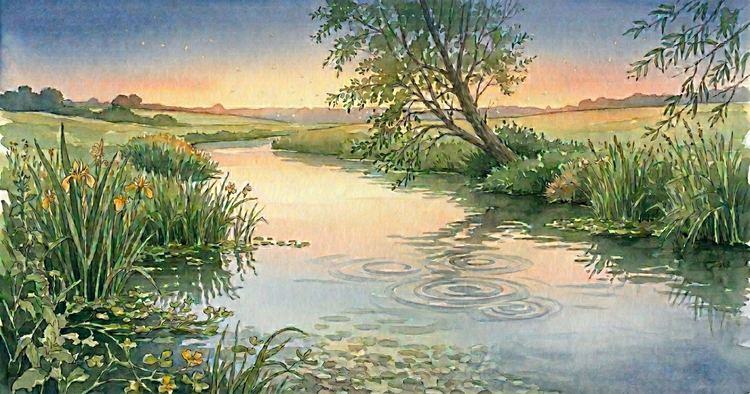
Duffers' Fortnight: The Mayfly Rise on the Chalk Streams
For two weeks in early summer the mayfly comes off the chalk streams in such numbers the trout drop all caution. How to watch the rise at dusk.
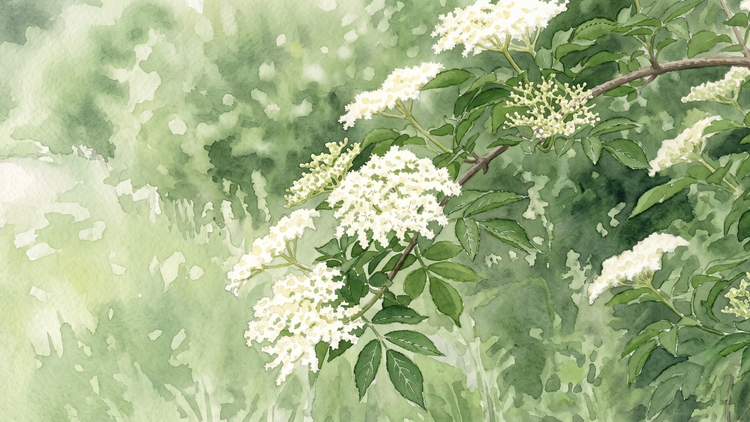
The Elder: The Hedge Tree You Ask Before You Cut
The elder turns the hedges white in June. You asked its leave before cutting it. Hannah Glasse used the flowers to counterfeit a French wine.
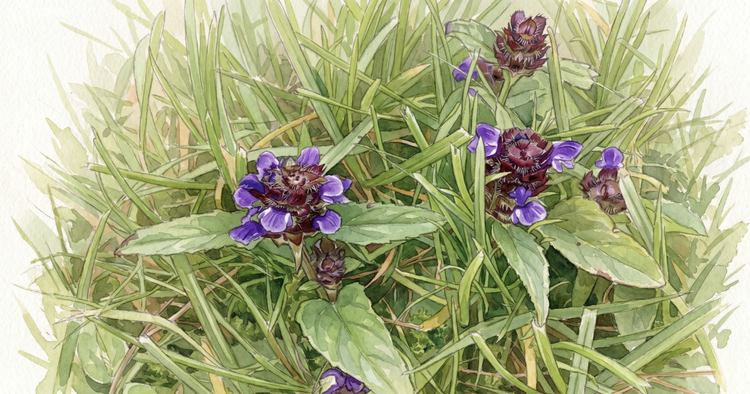
Self-Heal: The Wound Herb of the English Verge
Self-heal, the low purple plant of lawns and verges. Culpeper called it a herb of Venus; it carries genuine astringent compounds. With an oil.
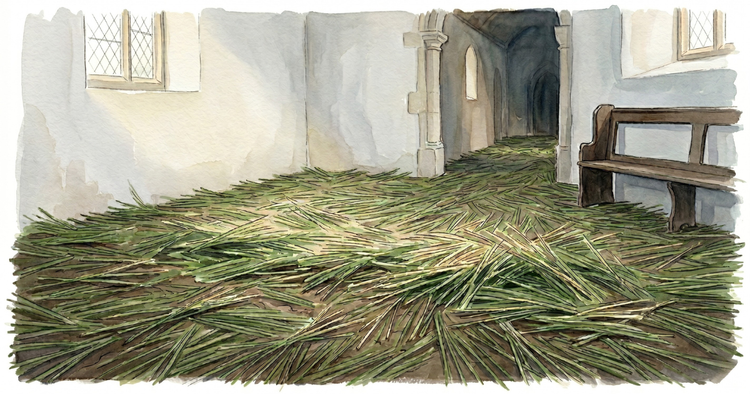
Rushbearing: The Year's Rushes Carried Into Church
English churches once had floors strewn with rushes, renewed each summer in a festival. Grasmere, Sowerby Bridge, and Warcop still keep it.
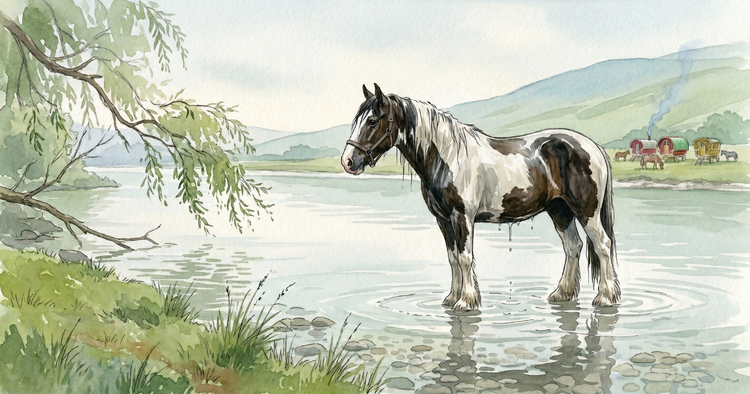
The Appleby Horse Fair: The Gathering That Runs on No Charter
For one week in early June, Appleby fills with horses washed in the River Eden. The fair has no charter and rests on prescriptive right alone.
The Elderflower Blossom
This week: a horse fair that runs on no charter, the year's rushes carried into churches that stopped needing them, self-heal hiding in the verge, and the mayfly rise at dusk. The hedges have turned, almost overnight, from green to white.
The Blue Moon Eve
This week: a Wiltshire village woken by pots and pans to claim a 12th-century woodland right, a blue micromoon too late to see on Sunday, cow parsley at full height, and the first elder in flower. Saturday night is the moment to look.
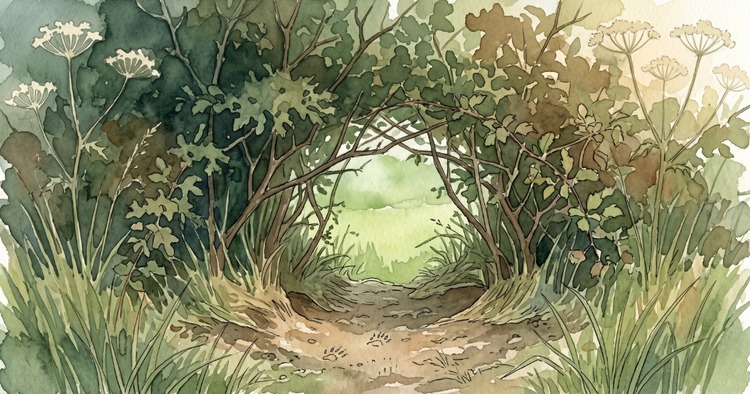
Culverkeys: The Sussex Word for an Animal-Made Gap in a Hedge
A culverkey is the worn gap at the base of a hedge made by regular animal use. Sussex dialect, recorded by Robert Macfarlane in Landmarks.